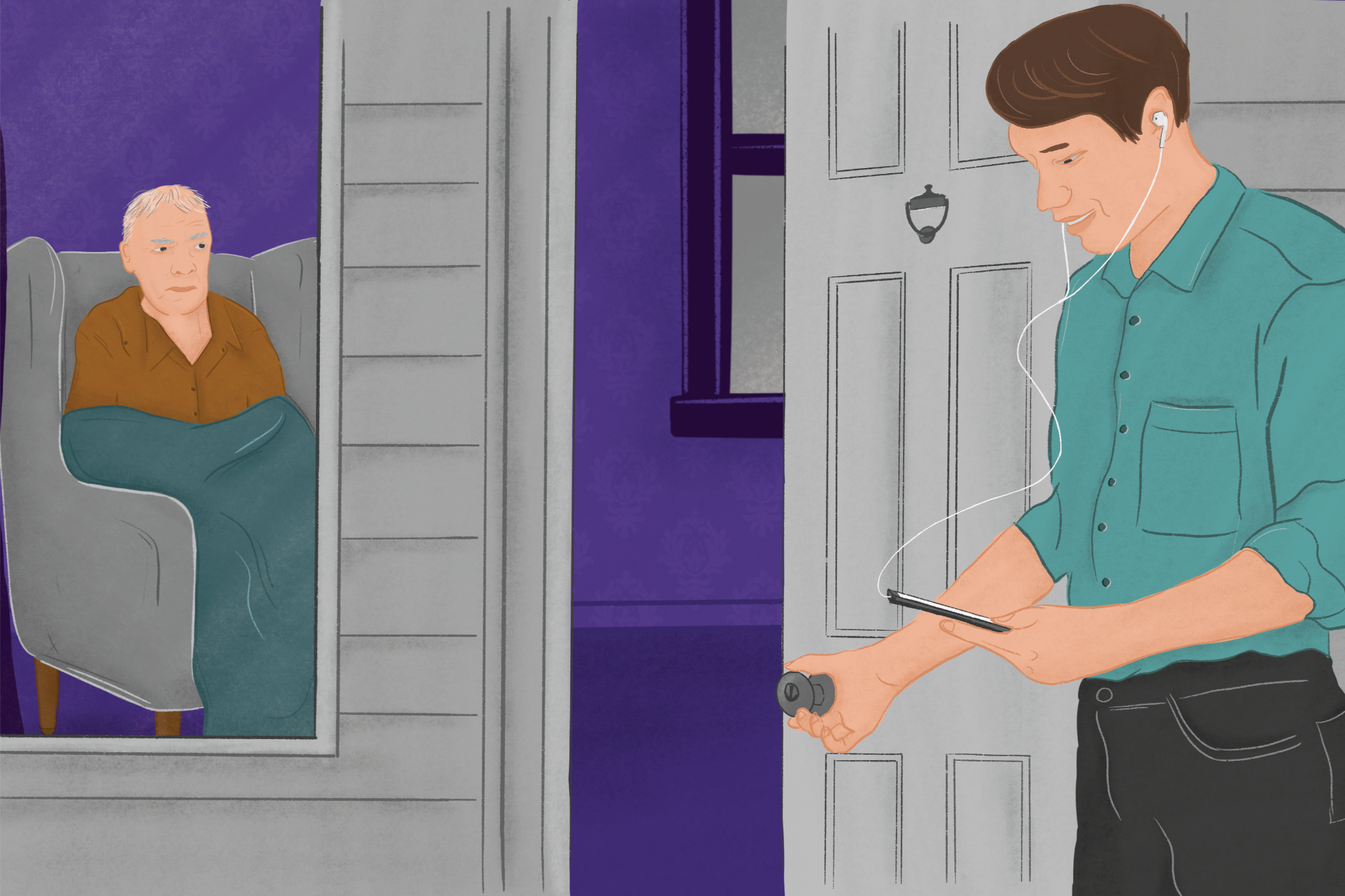
Longer lives, changing work
What demographic change means for New Zealand’s workforce
In the first article in this series, Professor Paul Spoonley and researcher Georgia Lala discussed why the Koi Tū report People, place and prosperity argues for a more coordinated and long-term approach to demographic change.
In this second article, we look at what those demographic changes could mean for work and the workforce. Their message: New Zealand can no longer think about retirement, ageing and work in the same way it did a generation ago.
‘Retirement’ is changing
For much of the twentieth century, retirement followed a relatively predictable pattern.
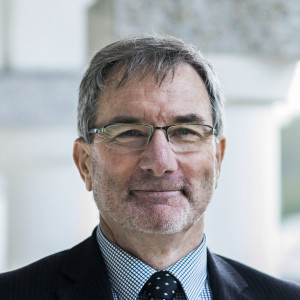
Proessor Paul Spoonley (Credit: Jane Ussher - Massey University)
People worked full-time until their mid-60s, then left the workforce and moved into a shorter period of retirement. Professor Paul Spoonley says that model no longer reflects reality for many New Zealanders.
“Retirement is increasingly no longer what it was for previous generations,” he says.
People are living longer and staying healthier for longer. Many continue working beyond becoming eligible for New Zealand Superannuation, because they enjoy working, want to stay connected and active, or need the income.
New Zealand already has one of the highest rates of workforce participation among older people in the OECD. But Professor Spoonley says this is happening at the same time as the country’s workforce profile is changing.
Lower birth rates mean fewer younger workers are entering the labour market relative to older age groups. That means older workers are becoming increasingly important to the future workforce.
“Older workers will increasingly represent a very important labour source for employers,” he says.
Workplaces are still catching up
Despite increasing numbers of people working later in life, Professor Spoonley says many workplaces are yet to adapt to the realities of an ageing workforce.
“We have employers who will offer flexibility around gender and parenting but not offer the same flexibility for the older worker,” he says.
That can mean older workers having less access to flexible hours, phased retirement, retraining opportunities, adaptable workplaces, or support to balance work with caregiving responsibilities.
At a time when many sectors are struggling to find workers, Professor Spoonley says employers often underestimate the value older workers can bring.
“It puzzles me that employers are not seeing the possibilities of older workers as a positive source of labour and skills,” Spoonley says.
Many industries are already facing workforce shortages. Koi Tū’s report argues that helping people remain in work longer — when they choose to — will become increasingly important as demographic change continues.
Longer lives are reshaping expectations
The conversation around ageing and work also marks a social and cultural shift.
Many older New Zealanders no longer see later life as a period defined only by retirement. Later life is increasingly becoming more flexible — and varied, wtih some assembling a ‘portfolio’ of activities that might include paid and unpaid work alongside more personal time.
Some will continue working part-time or move into more flexible roles, says Spoonley. Others will take on caregiving responsibilities, volunteer in their communities, retrain, study, or step into mentoring and leadership roles.
Georgia Lala says this reflects broader changes in how people experience ageing and participation.
“Population change affects every generation differently,” she says. “The challenge is making sure our systems and planning evolve alongside those changes.”
The report suggests employers and policymakers will increasingly need to rethink how work fits alongside longer lives and changing patterns of participation.
The challenge is not just about numbers
Professor Spoonley says discussions about workforce shortages often focus heavily on migration. While immigration will play an ongoing role in New Zealand’s economy, he says it will not be the silver bullet response to demographic change.
“There are significant under-utilised labour sources in New Zealand,” he says, pointing particularly to older workers, women and Pacific communities.
“New Zealand needs to think about a whole-of-life workforce strategy. This includes how workplaces support people later in life, how retraining opportunities are provided, how people balance work and caregiving, and how employers adapt physically and culturally to an ageing workforce,” says Georgia Lala says
Demographic change is already exposing weaknesses in workforce planning across many sectors.
Technology and work will continue changing
Professor Spoonley says technology and artificial intelligence are likely to reshape many parts of the workforce over coming decades.
Some jobs may change significantly through automation, while other roles may emerge that require different skills and ways of working. This will create both challenges and opportunities for older workers.
For some people, technology may make work more flexible and physically accessible. Remote work, digital tools and automation may help some older workers remain in the workforce longer than would previously have been possible.
Rapid technological change may also increase pressure on workers to continually adapt and retrain. Professor Spoonley says the demographic realities remain the same, regardless.
New Zealand’s population is ageing, labour shortages are emerging across many sectors, and employers will increasingly need to think differently about how they attract, retain and support workers.
Flexibility will become increasingly important not just for retaining older workers, but for helping people to continue to contribute, in ways that work for them and their employer.
Spoonley cautions that discussions about ageing populations that focus too heavily on costrisk overlooking the many ways older people continue contributing to New Zealand.
“Many older people remain active in paid work, volunteer in their communities, care for partners, grandchildren and whānau, mentor younger people, and support local organisations and services”.
Rather than seeing ageing only as pressure on public services, the report argues longer lives also create opportunities — particularly if workplaces, communities and public systems adapt to better support participation later in life.
Employers should be preparing now
The predictable, long-term nature of demographic change means employers have an opportunity to prepare now, before workforce pressures intensify.
"Workplaces will increasingly need to rethink how they attract, retain and support older workers," Spoonley says.
"Older workers are likely to become increasingly important as labour shortages grow, younger workforce growth slows, and more people choose to remain in work later in life."
In the next article in this series, we look at what demographic change means for regional New Zealand, and how different communities are responding to ageing and population change in very different ways.